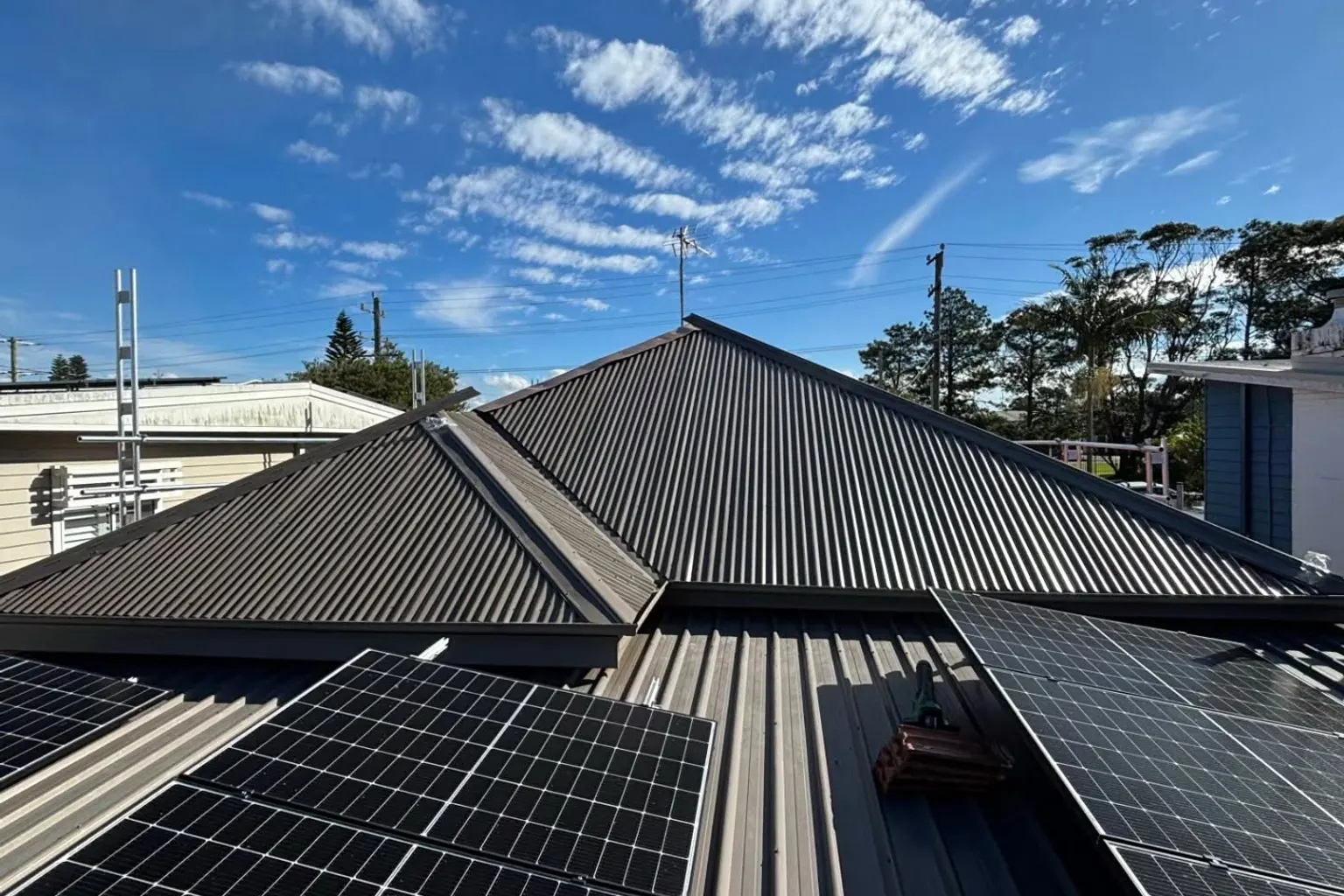
Roof Replacement and Metal Re-Roofing Newcastle
When a roof is past restoring, replacement gives the house a fresh start. Re-roofing means stripping the existing tiles or sheets, checking and repairing the battens and frame, laying new sarking, then fitting a new roof with new flashings and ridge finishes. You can replace like for like, or change material, most often from tile to Colorbond steel. We replace tile and metal roofs across Newcastle and the Hunter, and we start by checking whether your roof genuinely needs replacing or could be restored for less.
- 🛡️ 10-Year Workmanship Warranty
- 📍 Local Newcastle NSW Team
What's Included
- Assessment: restore or replace
- Existing roof removal
- Batten and frame check
- New sarking or blanket
- New roof covering and flashings
- Gutters, downpipes and clean up
Not sure if roof replacements is what you need?
We inspect first and tell you straight: repair, restore or replace.
When replacement beats restoration
Restoration only works on a roof covering that is still sound. Replacement becomes the better investment when the problem is the tiles or sheets themselves, or the structure under them. Common examples are old galvanised iron roofs rusted through in many places, tiles that crumble or break across the whole roof, batten rot from years of leaks, and roofs that have been patched so often that new leaks keep appearing. On older weatherboard cottages and some inner city terraces, original iron roofs have often reached this stage. We will not recommend replacement just because it is the bigger job. If the roof can be restored, we will quote both so you can compare.
- Rust holes across many metal sheets, not just a few
- Tiles that are porous, crumbling or breaking all over
- Rotten or sagging battens found during inspection
- Repeated leaks despite past repairs
- A wish to change material, colour or profile for the long run
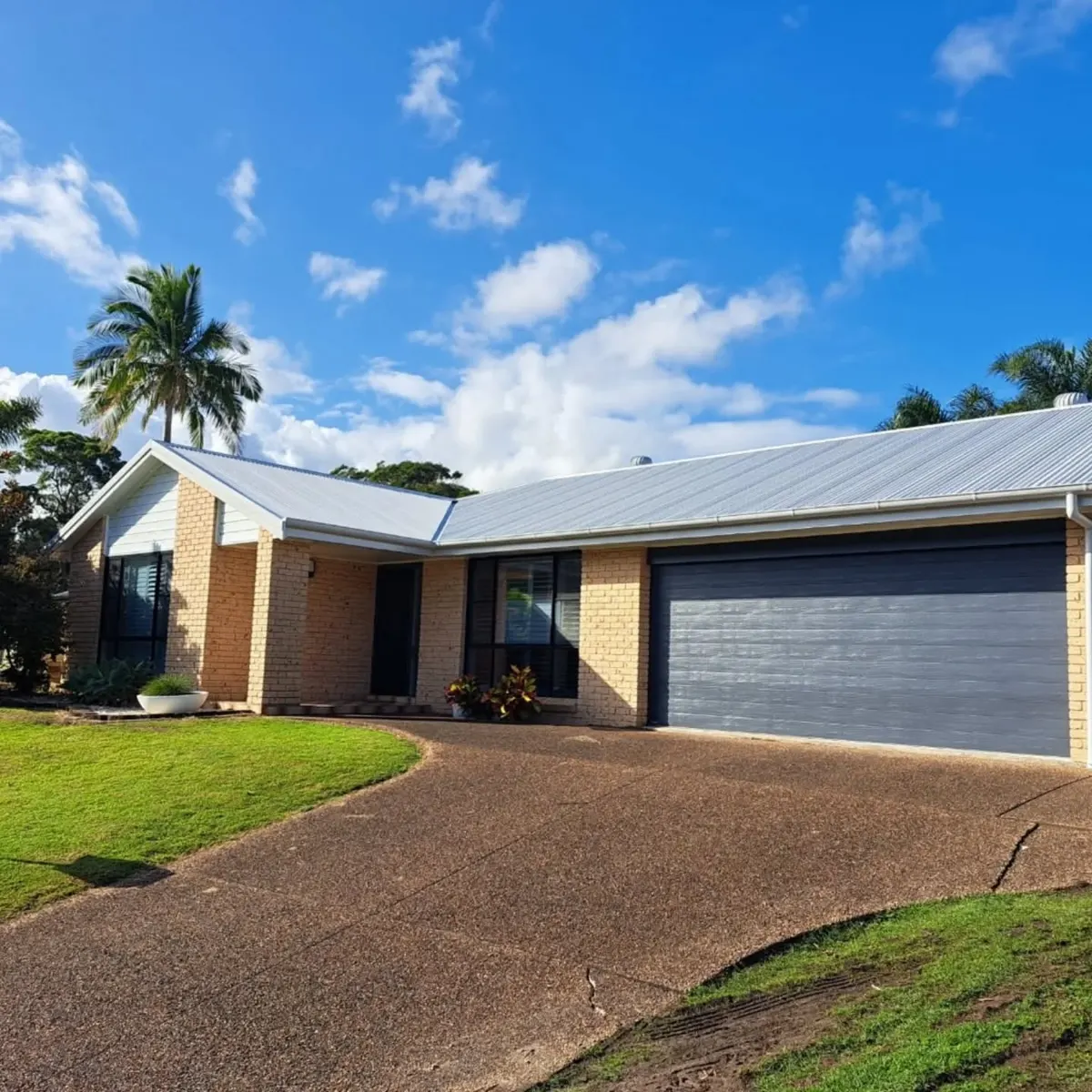
Metal roof replacement
Replacing an old metal roof usually means removing corrugated galvanised or older painted sheets and installing new Colorbond or Lysaght steel. The new roof can match the classic corrugated look, which suits older cottages and terraces, or move to a different profile if the house and any controls allow. We check the battens as we go, since old timber battens on some houses are undersized or worn and need replacing to suit the new fixings. Near the city and the beaches, we choose the steel grade using the manufacturer's guidance for the site's distance from the coast. Every flashing is replaced too. Reusing old flashings on a new roof is a common shortcut that leads to leaks at the junctions.
Tile roof replacement
Some owners want to keep a tile roof, whether for looks, for a quieter roof in rain, or because heritage controls on the property expect it. A tile roof replacement strips the old tiles, replaces battens where needed, lays new sarking and fits new concrete or terracotta tiles. It is also the time to fix underlying problems that restoration cannot reach, such as missing sarking, poorly fixed tiles or valleys that were never right. Where only part of a tile roof has failed, a section can sometimes be relaid with recycled tiles that match, which we will suggest if it suits the roof.
Existing roof removal and changing material
Changing from tile to metal is the usual direction for a material change. Metal is much lighter, so the existing frame has less weight to carry, and new battens are fitted to suit the steel. Going the other way, from metal to tile, is a bigger decision: tiles are heavy, and the frame must be checked, usually by an engineer, to confirm it can carry them. Any material change on a house covered by heritage controls may need approval, so confirm that with council first. Older houses also raise one important question before removal starts: whether any part of the roof, such as old cement sheeting, eaves linings or flue pipes, contains asbestos. If we suspect it, we will tell you, and it must be tested and removed by a licensed asbestos removalist before we start work.
Sarking: the layer under the roof
Sarking is the flexible membrane laid over the rafters or trusses under tiles or sheets. It catches any wind driven rain or dust that gets past the roof covering and directs it to the gutter, and reflective sarking also cuts radiant heat entering the roof space. Many older homes were built without sarking, so re-roofing is the best chance to add it. Under metal roofs we usually lay a condensation and insulation blanket, which does the same job while also reducing rain noise and controlling condensation under the steel. If your site has a bushfire attack level rating, the construction standard may set requirements for sarking and ember sealing, and we allow for those in the quote.
Restore, replace like for like, or change material?
Three routes for an ageing roof, and what each involves.
| Restore | Replace like for like | Change material | |
|---|---|---|---|
| Suits | Sound covering, worn finish | Failed covering, same look wanted | Failed covering, different look or weight wanted |
| Existing roof | Stays on | Removed | Removed |
| Sarking | Not added | New sarking or blanket | New sarking or blanket |
| Frame | Unchanged | Battens checked and replaced as needed | Battens replaced; tile needs a frame check |
| Approvals | Colour changes may need checking in heritage areas | Usually simplest in heritage areas | May need approval where controls apply |
How the work is done
How a re-roofing job runs
- 01
Inspection and options
We confirm replacement is needed, check the frame and access, and discuss material, profile and colour.
- 02
Written quote
The quote lists removal, battens, sarking or blanket, the new roof, flashings, gutters and any optional items.
- 03
Order and schedule
Materials are ordered and the job is scheduled around a dry weather window.
- 04
Strip in sections
The old roof comes off in manageable sections so the house is never left fully exposed overnight.
- 05
Battens and sarking
Damaged battens are replaced and new sarking or blanket goes down on each section.
- 06
New roof and flashings
Sheets or tiles are fixed, with new flashings, valleys, ridge finishes and gutters where included.
- 07
Clean up and final check
Debris and metal filings are removed, and we check the finished roof from the ridge to the gutter.
What the job covers
Everything included in your roof replacements
One written quote
Every item is set out in the quote you receive after inspection.
- 01
Assessment: restore or replace
A free on-site inspection to confirm replacement is actually needed, with the reasons explained.
- 02
Existing roof removal
Old tiles or sheets stripped, removed from site and disposed of, with the house protected while the roof is open.
- 03
Batten and frame check
Battens and exposed timbers checked, with rotten or undersized battens replaced to suit the new roof covering.
- 04
New sarking or blanket
Reflective sarking under tiles or a condensation and insulation blanket under metal, laid before the new covering.
- 05
New roof covering and flashings
Colorbond or Lysaght steel, or new tiles, with new flashings, valleys and ridge finishes throughout.
- 06
Gutters, downpipes and clean up
Gutters and downpipes replaced where included in the scope, and the site cleaned of debris and metal filings.
Let's take a look
Free on-site inspection and a written quote for the work you actually need.
Straight about price
What does it cost?
We do not publish a guide range for roof replacement, because it depends on far more than roof area. The main factors are the roof's size, its pitch and access, the existing material and how it is removed, the new material and steel grade, the condition of the battens, sarking or blanket, the number of valleys and penetrations, and whether gutters and downpipes are included. For comparison, most complete tile roof restorations fall between $3,800 and $10,450, according to a September 2026 Newcastle market guide from whatsthedamage.com.au (modelled estimates, not our quotes), which is one reason we always check whether restoration is possible first. Every roof is different, so your exact price is confirmed in writing after a free on-site inspection.
Questions before you enquire
Roof Replacements questions
Straight answers to what homeowners ask us most about roof replacements.
How do I know if my roof needs replacing rather than restoring?
If the covering itself has failed, with rust holes across many sheets, tiles breaking all over, or rotten battens, replacement is usually the better investment. If the problems are in the pointing, fixings and coating, restoration is often enough. We inspect for free and explain which applies to your roof.
Can I change my tile roof to metal?
Yes, and it is a common change. Metal is lighter, so the frame carries less weight. New battens are fitted to suit the steel. If your home is in a heritage area, check whether a material change needs approval first.
Can I change a metal roof to tiles?
Sometimes. Tiles are much heavier than steel, so the frame usually needs to be checked by an engineer before a tile roof goes on. The pitch must also meet the tile maker's minimum. We will tell you early if the house looks unlikely to suit tiles.
What is sarking and do I need it?
Sarking is a membrane under the roof covering that catches water or dust that gets past the tiles or sheets and reduces heat entering the roof space. Many older homes have none. Re-roofing is the best time to add it, and we include sarking or a blanket in our replacement quotes.
Will my house be exposed to the weather during re-roofing?
We strip and replace in sections so the house is not left open overnight, and we plan the work around the forecast. If weather turns unexpectedly, open areas are covered until work can continue.
What if my old roof contains asbestos?
Some older roofs, eaves and flues contain asbestos cement. If we suspect it, we will tell you at the inspection. It must be tested and removed by a licensed asbestos removalist before re-roofing starts.
Do you replace the gutters at the same time?
We can, and it often makes sense because old gutters are usually near the end of their life when the roof is. Replacing them together means new flashings and gutters meet properly at the eaves.
Is there a warranty on a roof replacement?
We offer a 10-year workmanship warranty. It covers workmanship, not materials. New roofing materials carry their own manufacturer warranties, which depend on the product and the site's exposure.
Roof Replacements across Newcastle NSW
Servicing all Newcastle NSW suburbs including:
Related services
- Roof Restoration →Clean, repair, rebed, repoint and recoat tile or metal roofs that are sound underneath but tired on top.
- New Roofs →Metal and tile roofs for new builds, extensions and additions, installed to the frame and the drawings.
- Metal Roofing →Colorbond and Lysaght steel, profiles and colours explained, with coastal grades where the site calls for them.
- Roof Inspections →Condition assessments and written roof reports for storm claims, purchases, strata and commercial sites.
Useful guides
- The Benefits of Colorbond Roofing for Newcastle Homes →Colorbond steel compared with tile for Newcastle homes: weight, maintenance, heat, coastal grades, heritage limits and when metal is the right call.
- A Homeowner's Guide to Roof Restoration Costs in Newcastle →What roof restoration costs in Newcastle: guide ranges for tile and metal roofs, what each scope includes, and the factors that move your price.
Request an inspection
Ready for honest advice?
Free on-site inspection, written quote, and a straight answer: repair, restore or replace. Call (02) 4047 0860 or use the form.
GET YOUR FREE
QUOTE
Written quote after inspection. Free of charge.
- ✅ Local Team
- ✅ Written quote
🕖 Mon to Sat: 7:30am to 5:30pm
Prefer to talk? Call (02) 4047 0860